
Cold Storage That Feels Like a Credit Card: My Tangem Card + Tangem App Take
Whoa! The idea of cold storage used to make me picture a safe in my basement. Short, sharp image. But then I held a hardware wallet that fit in my palm and my brain recalibrated. Something felt off about the old mental model—too bulky, too technical, too much ritual. My instinct said there should be a simpler way.
Okay, so check this out—card-style hardware wallets like Tangem are a real shift. They’re physically tiny, NFC-enabled, and you just tap them to your phone to sign a transaction. Really? Yes. The friction is low. Yet the security model stays strong because the private key never leaves the secure element on the card. Initially I thought small size meant compromises, but then I realized that form factor and cryptographic containment are independent; Tangem leverages secure chips used in banking and passports, which is reassuring though not a cure-all.
Here’s the thing. A lot of people confuse “cold storage” with “completely offline forever.” That’s not always useful. Cold storage, practically speaking, means the private key is isolated from general-purpose devices most of the time. Tap-to-sign hardware cards let you keep keys offline except when needed, which balances security and usability. Hmm… I know purists roll their eyes at “tap whenever” approaches, but hear me out—threat models matter. On one hand you want military-grade protection. On the other, you want to actually use your crypto sometimes without sweating. On the other hand, though actually, if you misplace the physical card, your recovery plan has to be bulletproof.
I’ll be honest—what bugs me is that many wallets still force you to memorize long seed phrases or write down 24 words on paper that you then store in a drawer. Ugh. That method works, but it’s clumsy and human error-prone. With Tangem, each card is factory-programmed with the key inside the secure element and you treat the card like a vault key. My bias shows: I like tangible objects. I like being able to hand someone a physical token. That said, the “single card = single point of failure” issue nags me. You should plan backups. Very very important.
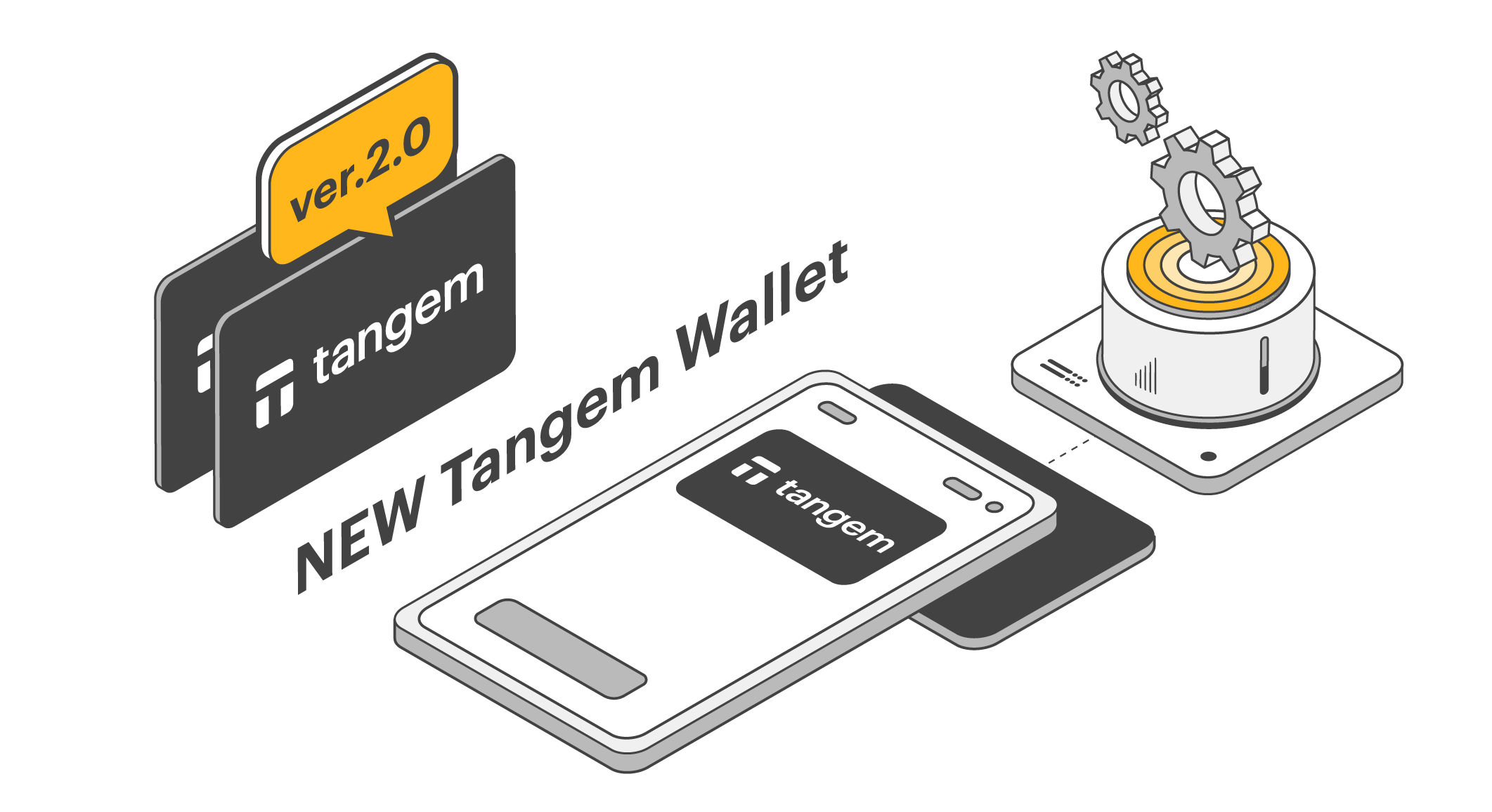
How the Tangem App Fits Into Real-World Cold Storage
The Tangem app is the bridge between your phone’s convenience and the card’s security. It shows balances, builds unsigned transactions on your phone, and then sends them to the card for signing over NFC. The signed transaction returns to the app and gets broadcast—so the private key never exits the card. At first glance that sounds straightforward. Actually, wait—let me rephrase that: what looks simple requires thoughtful user flows to avoid accidental exposures, and Tangem’s UX has improved a lot over time. If you want detailed setup steps or a quick reference, check out https://sites.google.com/cryptowalletextensionus.com/tangem-wallet/.
My fast, gut reaction to the card was relief. No scribbling seeds on napkins. No complex cable connections. Quick tap, done. Then my slower brain kicked in and I started mapping failure modes: theft, fire, NFC cloning (harder than it sounds), firmware supply issues, and human error when gifting or lending a card. On balance, the card+app combo reduces several common attack vectors, but it shifts responsibility: you must treat the card like a credit card—not like an online password you can reset. That mental model shift is enormous for many users.
There are some practical tips I picked up. First, order extra cards for redundancy and keep them geographically separated. Short sentence. Second, label them clearly but discreetly—no “Crypto Vault” stickers. Third, test your recovery process before you need it. Sounds obvious, I know, but people skip testing. My experience says most problems show up during the first real transfer or when you try to access funds months later. So test, test, test.
Security tradeoffs deserve nuance. On one hand, a seed phrase gives interoperable recovery across devices, which is powerful. On the other hand, a factory-programmed secure element ties you to a vendor’s ecosystem and recovery approach. Initially I thought that lock-in was a dealbreaker. Then again, for many non-custodial users the simplicity and stronger hardware isolation outweigh vendor coupling. Something else—if you’re an institutional user or a high-net-worth individual, you’d combine card storage with multisig strategies. Somethin’ like that balances convenience and resilience.
Honestly, the part that bugs me about many hardware wallet discussions is the assumption everyone has the same threat model. They don’t. Some folks just want protection from casual compromise—family members, malware, lost phone. Others need protection against well-resourced attackers. On one hand, Tangem cards are excellent for lowering day-to-day risk. On the other, they’re not a magic bullet for every high-end threat. My take? Use the card as part of a layered defense.
Real-world Workflow I Use (and Why)
Start with a primary card for everyday, low-frequency withdrawals. Short sentence. Keep two backup cards in two separate, secured locations—one offsite with a trusted person or a safe deposit box, the other in a personal safe. Use a multisig setup for larger holdings so a single lost card doesn’t mean catastrophe. My instinct said “too many steps,” but experience showed this is manageable and worth the safety margin.
Also, maintain an explicit recovery policy. Write it down (but not the keys). Who has authority to access backups? Under what conditions do you rotate a card? I’m not 100% sure everyone’s willing to formalize that, but you should. On a personal level, I keep a short checklist pinned inside a notebook: card IDs (not private keys), backup locations, and the contact protocol for the trusted person. Sounds bureaucratic, I know, but when panic hits the checklist shines.
FAQs about Tangem, Cold Storage, and the App
Can Tangem cards be cloned or skimmed?
Short answer: highly unlikely. The card uses secure elements designed to resist key extraction and NFC cloning. But no system is invulnerable. The bigger risks are social engineering and physical theft. So combine physical security with cautious operational habits.
What happens if I lose my Tangem card?
If you have backups, you recover from them. If not, recovery depends on the vendor’s support model and whether you set up advanced recovery options. That’s why redundancy matters—backup cards, multisig, or third-party custody for certain amounts are sensible precautions.
Is the Tangem app safe to use on an internet-connected phone?
Yes for standard threat models. The key point is that the private key never leaves the card, so even a compromised phone has limited options. However, phones can leak transaction metadata or be used for social engineering attacks, so remain careful about apps you install and links you tap. Keep your device updated. Also, use biometric locks and screen security.
My closing feeling is different from how I started. At first I was skeptical—small cards felt like gadgets. Now I’m convinced they’re a pragmatic middle ground between frictionless hot wallets and high-effort cold storage. The Tangem card plus the Tangem app strike that balance well for a wide range of users, especially those who want security that fits in a wallet. I’m biased toward things that feel tangible and simple, but I also respect rigorous backup and planning. So—if you’re thinking about upgrading your cold storage, this card-and-app combo deserves a hard look. Really.